TL;DR: The Executive Summary
- The Death of Data Entry: Cloud accounting platforms like Xero and QuickBooks, paired with AI-driven optical character recognition (OCR) tools like Dext, have entirely eradicated manual bookkeeping.
- Direct Bank Feeds: In 2026, direct API integrations with South African banks (FNB, Standard Bank, Investec) mean transactions reconcile automatically in real-time, eliminating month-end delays.
- The “Error Tax” Elimination: Automated tax coding drastically reduces human error in VAT submissions, shielding SMEs from aggressive algorithmic South African Revenue Service (SARS) audits.
- Accelerated Cash Flow: Automated e-invoicing and integrated payment gateways (like PayFast or Yoco) reduce debtor days by up to 40%, ensuring cash hits your bank account faster.
- The ROI Math: Transitioning from desktop software to an automated cloud stack yields a measurable Return on Investment (ROI) by cutting administrative hours by up to 75% and enabling a shift to [Internal Link: In-House vs. Outsourced CFO Services].
Historically, the finance department of a South African Small to Medium Enterprise (SME) operated as a historical post-mortem. Bookkeepers spent the first three weeks of every month manually typing bank statements and crumpled Makro receipts into desktop-bound software (like legacy Pastel). By the time the CEO received the Management Accounts, the data was already 30 days out of date.
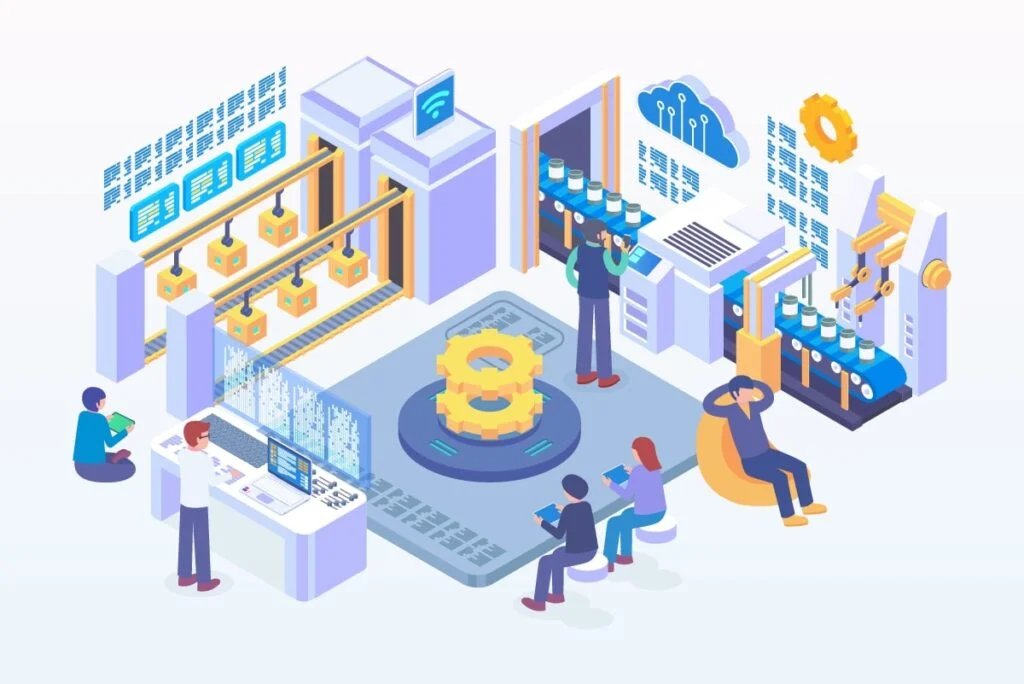
Under the [Internal Link: Why South African SMEs are Outsourcing Accounting & Finance in 2026] framework, this legacy approach is a massive competitive disadvantage.
In 2026, elite South African SMEs are weaponizing their financial data through Cloud Accounting Automation. Platforms like Xero and QuickBooks Online are no longer just software; they are operational infrastructures that automate data capture, synchronize with banking APIs, and eliminate the human “error tax.”
Here is the definitive B2B breakdown of the exact Return on Investment (ROI) South African business owners secure when migrating to a fully automated cloud accounting tech stack.
1. Eradicating Manual Data Entry (The AI Advantage)
The highest hidden cost in any traditional SME finance department is the hourly wage paid for manual data entry.
Modern cloud accounting ecosystems obliterate this cost by utilizing Optical Character Recognition (OCR) and machine learning. Through ecosystem apps like Dext or Hubdoc (which integrate directly into Xero or QuickBooks), the data entry process is reduced to a photograph.
- How it Works: Your operations manager buys supplies at Builders Warehouse. Before leaving the parking lot, they snap a photo of the till slip using a mobile app.
- The Automation: The AI instantly reads the slip, extracts the supplier name, the total amount, the date, and the exact VAT amount.
- The Integration: It automatically pushes a drafted bill into Xero, attaches the digital photo as a permanent audit trail for SARS, and matches it to the bank feed.
The ROI: This entirely eliminates the end-of-month scramble for lost receipts and reduces bookkeeping administrative hours by up to 75%.
2. Direct Bank Feeds & Real-Time Reconciliations
In 2026, South Africa’s open banking framework allows top-tier commercial banks—such as FNB, Investec, Standard Bank, and Capitec—to establish secure, direct API feeds with major cloud accounting platforms.
- The Legacy Nightmare: Downloading CSV files from your online banking and manually importing them into desktop accounting software is fraught with duplication errors.
- The Cloud Reality: Every morning, your bank transactions automatically flow into Xero or QuickBooks. The software uses machine learning algorithms to suggest reconciliation matches based on your previous behavior (e.g., automatically recognizing a monthly Vodacom debit order and coding it to “Telephone & Internet”).
The ROI: Financial visibility shifts from “backward-looking” to “real-time.” The CEO can open an app on their phone on a Tuesday morning and see a perfectly reconciled cash position, empowering agile capital deployment.
3. Measurable ROI: Calculating the Financial Shift
To convince a Board of Directors to approve the migration to the cloud, you must present the math. The ROI of cloud accounting is not just about saving time; it is about reallocating capital.
| Metric | Legacy Desktop Accounting | Automated Cloud Stack (Xero/QBO) | The ROI Impact |
| Month-End Close | 15 – 20 Days | 2 – 4 Days | 80% faster access to strategic data |
| Debtor Days | 45+ Days | 25 – 30 Days | Massive cash flow acceleration |
| Data Entry Cost | Full-time administrative salary | R600 – R1,200 / month (Software Subscription) | Capital freed to hire a Fractional CFO |
| SARS Audit Risk | High (Human error in VAT typing) | Low (Digital audit trails & source documents) | Mitigation of severe SARS penalties |
4. Accelerating Cash Flow via E-Invoicing
Generating revenue is useless if the cash is trapped in your accounts receivable ledger. Cloud accounting drastically reduces “debtor days” (the time it takes a client to pay you) through automated digital interactions.
- Automated Reminders: Instead of your finance administrator manually chasing late-paying clients, Xero and QuickBooks allow you to set up automated, polite email sequences that notify clients 3 days before an invoice is due, on the due date, and 7 days past due.
- Integrated Payment Gateways: You no longer send a static PDF with your banking details. You send an interactive digital invoice with a “Pay Now” button integrated with South African payment gateways like PayFast, Yoco, or Peach Payments. Clients can pay instantly via credit card or instant EFT from their smartphone.
The ROI: Removing the friction from the payment process and automating the follow-up consistently reduces outstanding debtor days by 30% to 40%, drastically improving operational liquidity.
5. The Ultimate Compliance Shield: Automated VAT
The South African Revenue Service (SARS) operates an aggressive, automated audit matrix. If your manual VAT201 submission does not perfectly align with the underlying source documents, you will be audited.
Cloud accounting software is localized for South African tax laws.
- Digital Audit Trails: Because every transaction is automatically linked to a digital copy of the original invoice (via Dext/Hubdoc), if SARS triggers a VAT audit, your accountant does not need to dig through physical lever-arch files. They simply grant SARS read-only access to your cloud ledger, or generate a digital source document report in seconds.
- Automated Calculations: The software calculates standard 15% VAT, zero-rated supplies, and exempt supplies automatically based on pre-set coding, completely eradicating the human math errors that historically triggered massive understatement penalties.
2026 FAQ: Cloud Accounting in South Africa
Is Xero or QuickBooks better for a South African SME?
Both are world-class. Xero currently dominates the South African SME market due to its incredibly intuitive interface, robust ecosystem of third-party apps (like Syft Analytics and Dext), and seamless direct bank feeds with all major South African banks. QuickBooks Online is highly competitive and often favored by businesses heavily integrated into the US market.
Are cloud accounting platforms recognized by SARS?
Yes. SARS actively encourages digital record-keeping. Platforms like Xero and QuickBooks perfectly structure your financial data for compliant VAT201, EMP201, and ITR14 submissions, and the digital storage of receipts satisfies the statutory 5-year document retention laws.
How much does cloud accounting software cost in 2026?
While pricing scales with your business needs, a standard cloud tech stack for a South African SME (e.g., a Xero subscription plus an OCR tool like Dext) typically costs between R800 and R1,500 per month—a fraction of the cost of a full-time data-capturing employee.
Stop Running Your Business in the Dark
Using legacy desktop software to run a modern B2B company forces you to make strategic decisions based on month-old data. Migrating to Xero or QuickBooks transforms your finance department into a real-time, automated intelligence hub.
ModernDayCEO connects scaling South African businesses with the country’s top-tier Cloud Integrators, Outsourced Accounting Firms, and Fractional CFOs. Audit your tech stack and execute your digital migration flawlessly today.
👉 [Consult a Verified Accounting & Finance Expert on ModernDayCEO Today]